The best quality grain and traits
Quality Assurance
Providing premium quality product to our customers is our primary goal. That is why we never compromise with quality. As a leading Basmati Rice Exporters in India we endeavor and ensure that every bit we produce to serve the appetite of people should be pure and authentic. We always try to deliver the benefits of advanced technology to ensure the highest quality. The systematic examination, checking and re-checking of paddy and rice to determine the fool proof quality of the end product is the hallmark of All Seasons. Our physical laboratory is well equipped for quality management of samples, in-coming material, in-process material & out-going material. “All Seasons Rice is dedicated to meet customer requirements and exceeding customer expectations, while producing healthy, safe and hygienic products”

The company is committed to providing adequate resources including equipment, personnel facilities and training, to ensure the highest possible standards in the running of Finlay’s Food. Quality management and practice is recognized by the company as a means of monitoring due diligence and serving the needs of its customers, employees and owners. We are committed to provide and market products that are the best available in terms of quality and service.
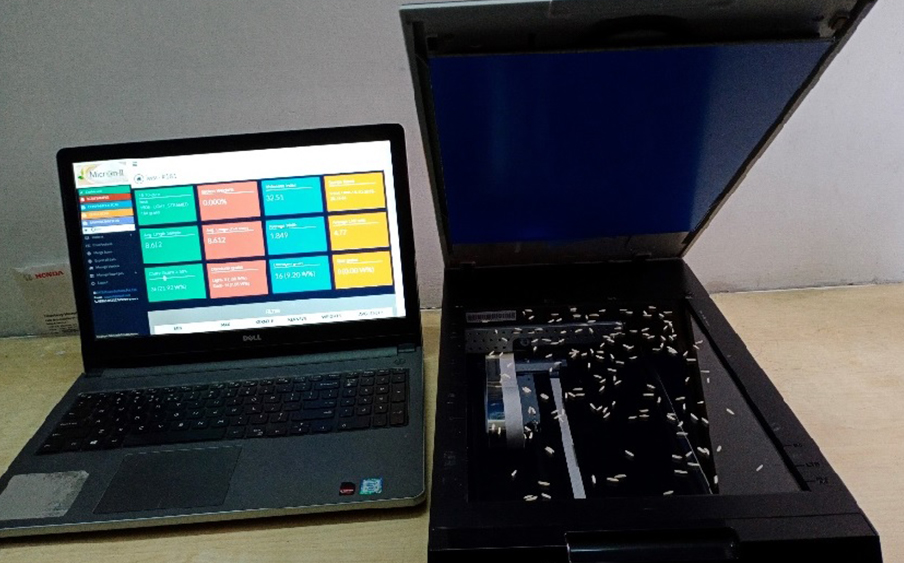
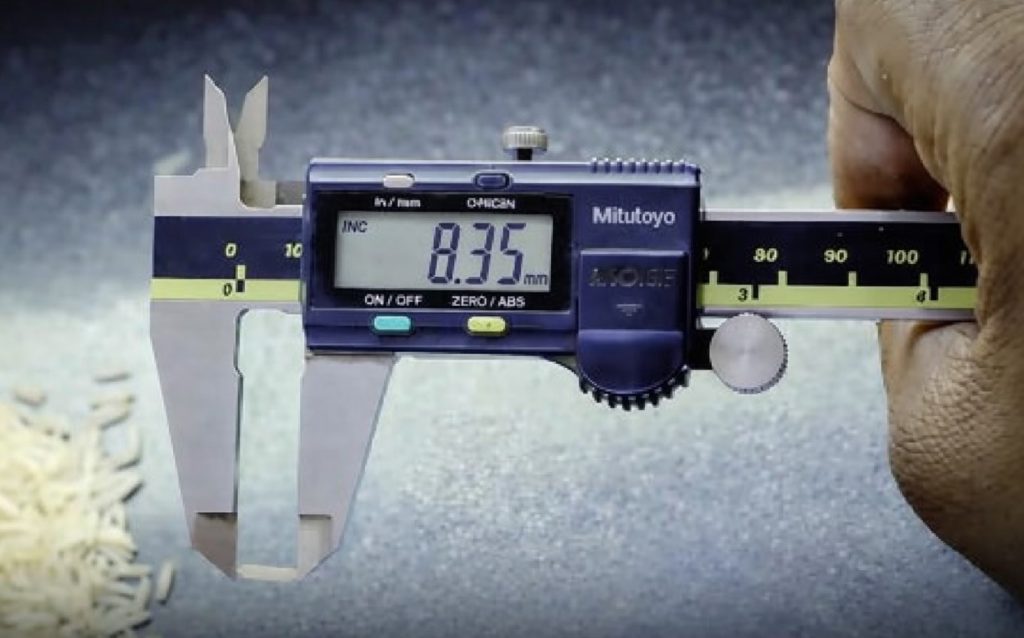

At Sagar Overseas, maintaining stringent quality parameter controls is crucial to ensure that the exported rice meets international standards and customer expectations. Some essential quality parameters that are controlled during rice export include:
- Grain Size and Shape : Rice grains should have a uniform size and shape, which is essential for consistent cooking and appearance in the final product.
- Broken Grains: The percentage of broken grains is an important quality parameter. Customers often specify the maximum allowed percentage of broken grains in the exported rice.
- Moisture Content: Controlling moisture content is critical to prevent mold growth and maintain the rice's quality during transportation and storage.
- Foreign Matter and Impurities: Exported rice should be free from any foreign matter, such as stones, dust, husks, or insects.
- Color and Appearance: The color and appearance of rice are significant factors in customer preferences. Exported rice should have a consistent, appealing visual appearance.
- Cooking and Taste: The aroma and taste of rice greatly influence consumer satisfaction. Exported rice should have the characteristic aroma and taste associated with its variety.
- Purity: Ensuring the purity of the rice variety is essential to meet specific customer demands and avoid mixing different rice types.
- Packaging and Labeling: Proper packaging is crucial for protecting the rice during transit. Clear and accurate labeling helps customers identify the product's origin and specifications.
- Pesticide Residues: Exported rice should comply with international regulations regarding the permissible levels of chemical residues, including pesticides and heavy metals.
- Shelf Life and Storage Stability: The rice should have a reasonable shelf life, and its quality should remain stable during transportation and storage.